This year's spring has appeared in the garden for good, which I am very happy about :-) The past days brought a lot of sun and positive temperatures. Such conditions were quickly used by plants that woke up from winter dormancy. Crocuses, primroses, hyacinths, daisies and even tulips boldly pull out their stems and go towards the sun.


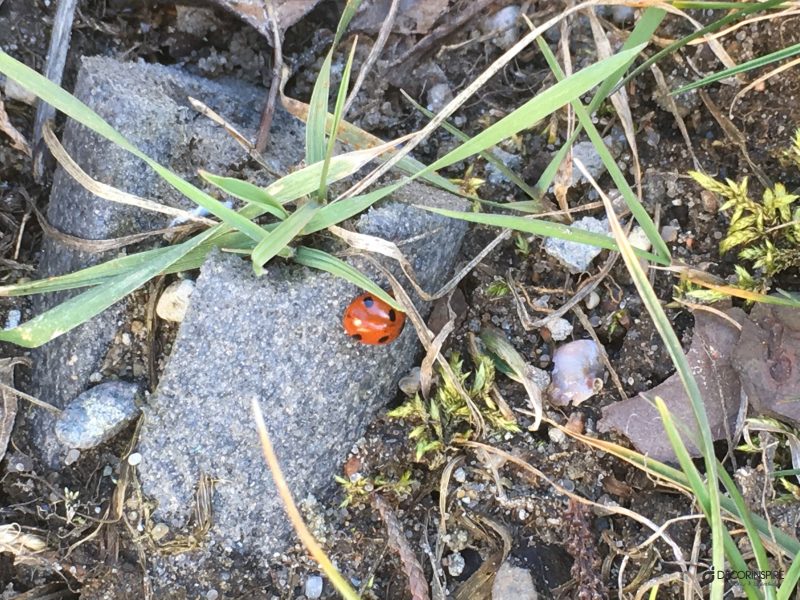
The spring sun also invited Biedronka for the first walk in the garden :-)
Spring in the garden is also busy for us - people who love nature. You should take a closer look at, among other things, a lawn, the condition of which is not always good after winter. It is worth considering the performance of its scarification and aeration. This season, the lawn in my garden has already undergone necessary treatments. The photo report is coming soon, so I cordially invite you to visit the blog :-)
In March, you should also look at the garden plants. It happens that some of them lose twigs or will completely dry out during a long winter. Then remove all dead parts. It is also worth looking at the inner part of the conifers. It also needs to be reviewed and cleaned of dry shoots. Let's not neglect it!
If you have conifers in your gardens that are partially withered, you can give them a new shape through appropriate cuts. However, if the plant is badly ill due to winter frosts, it is worth replacing it with a new copy. March and April are the months when plants should also be replanted, if we take it into account, of course. This is the right time, because some of the plants have not yet woken up from winter lethargy. I am of the opinion that the plantings in our gardens should be changed from time to time. It is also worth pruning shrubs and trees, even though many people are afraid of it. Remember that plants like to be pruned, because then they know that they are cared for by us and always appreciate our commitment, which translates into nice growth and lush flowering.
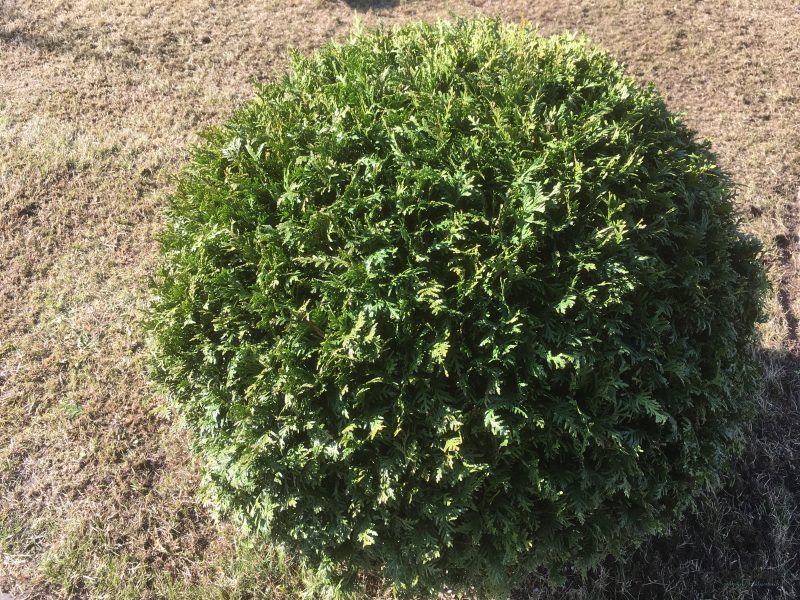
Wśród iglaków, które rosną w moim ogrodzie są takie, które mają formę kulistą. Formę taką posiadają “od zawsze”, bądź nabyły ją “z czasem”. Staram się na wiosnę zrobić pierwsze cięcia i nadać im na nowo ładny, okrągły kształt. Iglak, którego widzicie na poniższej fotografii to tuja brabant, którą mocno przycięłam kilka lat temu. Dałam tej roślinie nowe życie – zmieniłam jej formę. Od tamtego czasu często ją przycinam w trakcie każdego sezonu, a ona nadal ładnie rośnie i ma zwartą, gęstą, zieloną bryłę.
And when it comes to flowering and the first plantings, this year I have already chosen the first pansies that have come to me for good :-)


Hmm ... How is it with you? Are the first signs of spring visible in your garden or on the balcony?